
How to Get Started in Triathlon
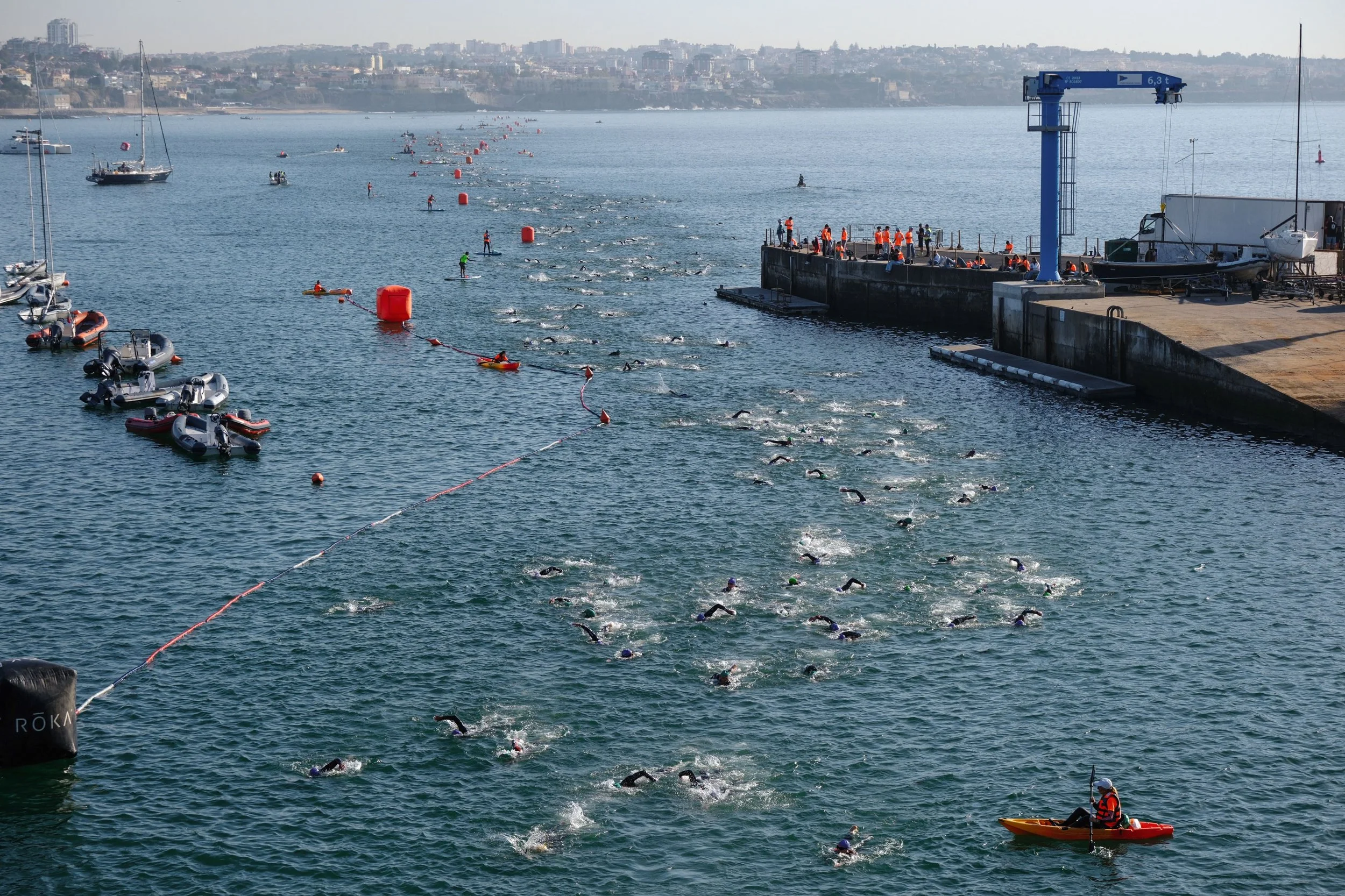
At first glance, triathlon can seem like an extremely demanding sport. The combination of swimming, cycling and running may look intimidating - especially if you have never trained any of those disciplines seriously before. At IronLab, however, we regularly see that triathlon is not reserved for professional athletes. More and more recreational athletes are choosing to give it a try, precisely because it offers variety, challenge and a sense of real personal achievement.
The good news is that getting started does not have to be complicated. With a little patience, realistic expectations and a gradual approach to training, almost anyone can reach their first goal - finishing their first triathlon.
What Triathlon Actually Is
Triathlon is a sport that combines three disciplines: swimming, cycling and running. Athletes start with a swim, then transition to the bike, and finish with a run.
There are several different race distances, and beginners most commonly start with shorter formats. One of the most popular is the sprint triathlon, which typically includes around 750 metres of swimming, 20 kilometres of cycling and 5 kilometres of running. At the other end of the spectrum are long-distance races like the Ironman, which require years of structured training.
For a first step into the sport, there is no need to think about the longest distances. What matters much more is getting familiar with the basics and gradually building experience.
Do You Need to Be Good at All Three Sports
One of the most common questions we hear from beginners is whether they need to be equally good at swimming, cycling and running. The answer is simple - they do not.
Most of the athletes we work with have one discipline where they feel most comfortable and one that presents a greater challenge. For some, swimming is the hardest part. Others struggle most with running after cycling.
The goal at the beginning is not perfection in every discipline, but developing basic fitness and a feel for transitioning between sports. Over time, the gaps between disciplines narrow, and the body adapts increasingly well to the combined effort.
How Much Training Do You Need for Your First Triathlon
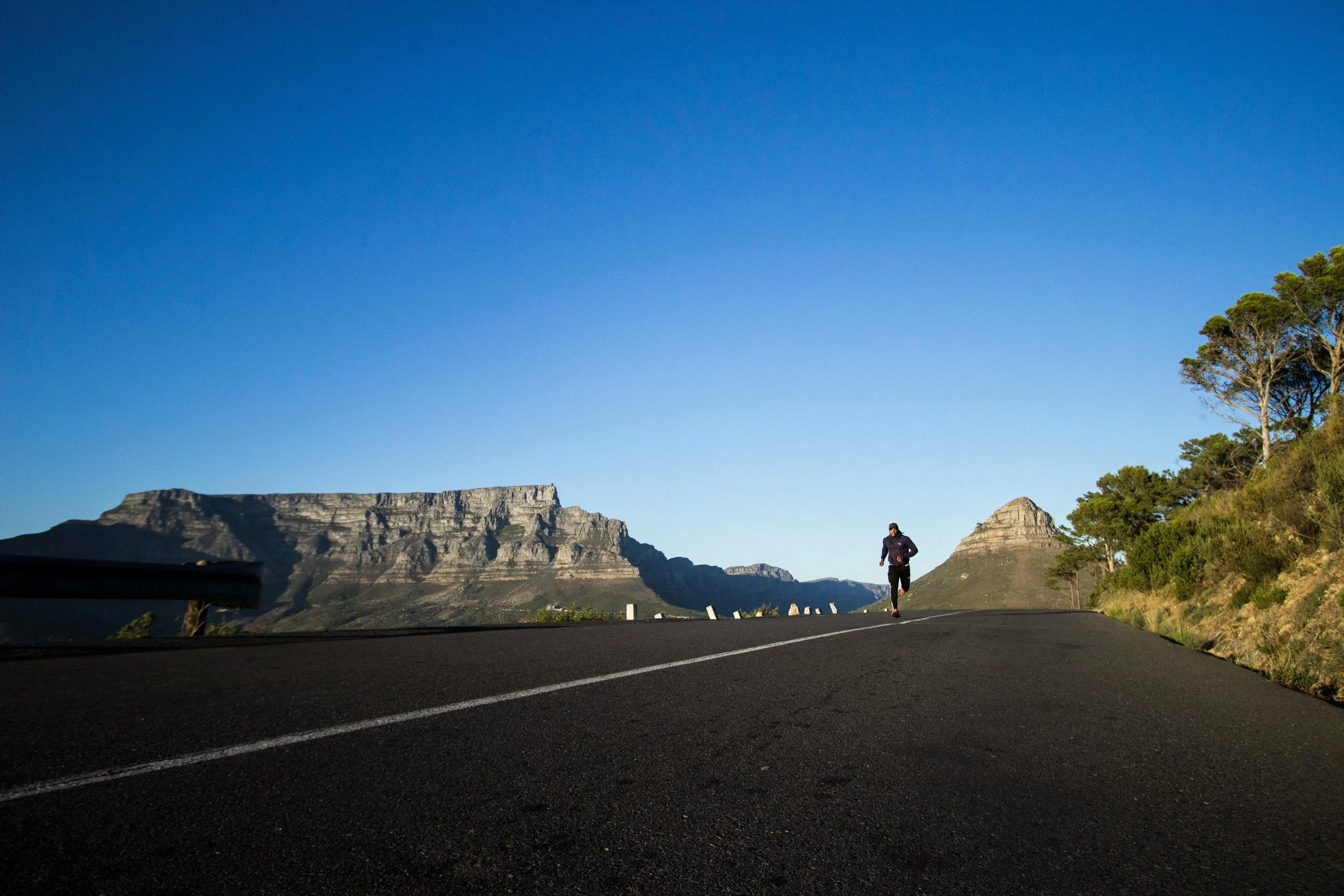
For a first triathlon, there is no need to train every day or spend hours and hours working out. In our experience, most beginners can prepare well with three to four training sessions per week.
One of the simplest approaches we recommend is to structure your week so that you complete at least one session of each discipline - one swim, one bike ride and one run. As fitness gradually improves, an extra session can be added or the duration of existing ones extended.
More important than high volume is consistency. Regular, moderate training over several months will produce far more progress than occasional very intense sessions.
The Equipment You Actually Need
One of the common misconceptions about triathlon that we regularly encounter is that getting started requires a large amount of expensive equipment. In reality, very basic gear is enough for a first triathlon.
For swimming, all you need is a swimsuit, goggles and optionally a swim cap. For cycling, a functional road or mountain bike and a helmet are sufficient. For running, the most important thing is a quality pair of trainers that are comfortable and suited to your running style.
Later, as experience grows, many athletes choose to invest in more specialised equipment such as a triathlon suit or an aerodynamic bike. For a first triathlon, however, none of that is necessary - and that is something we always emphasise to new athletes who come to us.
Why Swimming Is Often the Biggest Challenge
For many beginners, swimming is the hardest part of triathlon. The reason is straightforward - most people do not spend much time in the water during adult life.
On top of swimming technique, open water can present its own challenge. Lakes or the sea can feel completely different from a pool, especially when surrounded by a large number of other competitors.
At IronLab, this is exactly why we offer individual swim sessions - to help athletes gradually build confidence and competence, both in the pool and in open water. Regular training in a controlled environment is the best path to a confident race day performance.
The Importance of Patience and Continuity
Progress in triathlon rarely comes quickly. The body needs time to adapt to new training loads and the combination of three sports.
Some weeks will feel easy and you will notice improvement from session to session. Other times it may feel like you are standing still. These phases are a completely normal part of the process - every athlete we work with goes through them.
The most important thing is to maintain continuity and avoid sudden increases in training load. Regular training, even when moderate, gradually builds endurance and confidence.
Your First Triathlon as a Defining Experience
For many athletes, the first triathlon remains one of the most memorable experiences in sport. Regardless of finishing time or placement, the feeling of crossing the finish line after swimming, cycling and running brings a real sense of achievement.
That moment often marks the beginning of a long-term relationship with the sport. Many athletes who finish their first race soon start thinking about the next one - perhaps a little longer or more challenging. It is something we see again and again at IronLab.
In that way, triathlon becomes more than a single race. It becomes a process of personal growth, patience and gradually pushing your own limits.
